






Junk Food Advertising Crackdown Takes Effect in Major Win for Children’s Health
A sweeping new crackdown on junk food advertising has officially come into force, marking one of the UK’s strongest policy moves yet to combat childhood obesity. From Monday, adverts for foods high in fat, salt and sugar — commonly referred to as HFSS products — are banned on television before 9pm and completely prohibited online, regardless of the audience.
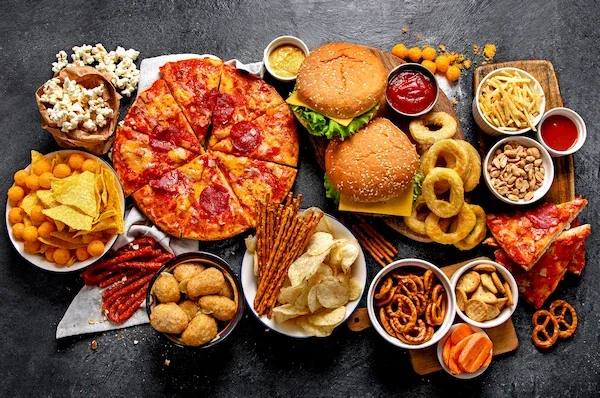
The ban targets products considered to be the biggest contributors to poor childhood diets, including sugary soft drinks, chocolates, sweets, pizzas, ice creams, and certain ready meals. Whether a product falls under the restriction is decided using a government scoring system that weighs its nutritional value against levels of saturated fat, salt and sugar. The aim is simple: reduce children’s exposure to marketing that pushes unhealthy eating habits from a young age.
The move follows mounting concern over the scale of the problem. According to National Health Service data, almost one in 10 children aged four to five are now living with obesity, while around one in five children have tooth decay by the age of five. The financial burden is equally stark, with obesity estimated to cost the NHS more than £11 billion each year.
Previously, restrictions only applied to adverts shown on platforms where more than 25% of the audience was under 16. However, research has consistently shown that children are exposed to unhealthy food advertising far beyond those limits, particularly online. Evidence also suggests that repeated exposure to such marketing influences food preferences early in life, increasing the risk of obesity and related health conditions later on.
Under the new rules, not all foods are automatically banned. Plain oats and most porridge, muesli and granola products remain unaffected, though versions with added sugar, chocolate or syrup may fall foul of the scoring system. Some breakfast cereals, sweetened bread products, sandwiches and main meals are also included if they exceed HFSS thresholds.
Importantly, the ban applies to adverts where unhealthy products are visually shown. This means fast-food companies can still advertise their brand names, logos or slogans, and can promote healthier versions of their products. The government hopes this flexibility will encourage manufacturers to reformulate recipes and invest further in healthier alternatives.
Junk Food TV and Online Ad Ban Targets Obesity as Tough New Rules Begin
The Food and Drink Federation said it supports the goal of improving public health and has been voluntarily following the new restrictions since October. The federation stated that manufacturers are “committed to working in partnership with the government and others to help people make healthier choices,” noting that many products now contain significantly less salt, sugar and calories than they did a decade ago.
Companies that fail to comply with the new rules could face enforcement action from the Advertising Standards Authority, which oversees advertising compliance across the UK.
Health experts have broadly welcomed the move. University of Hertfordshire professor of behaviour change in health Katherine Brown described the ban as “long overdue” and a clear step in the right direction. She warned that children are particularly vulnerable to aggressive marketing tactics and that repeated exposure to unhealthy food advertising increases the risk of obesity and chronic diseases.
However, Brown and other public health advocates argue that advertising restrictions alone will not solve the problem. She called on the government to go further by making nutritious food options “more affordable, accessible and appealing,” especially for families facing cost-of-living pressures.
The government estimates the advertising ban could prevent around 20,000 cases of childhood obesity over time. While some critics question whether the policy goes far enough, supporters see it as a significant cultural shift — one that prioritizes children’s health over marketing reach.
Read Also : Jake Weatherald Under the Spotlight: 1 Tense Ritual and Growing Doubt Ahead of a High-Stakes Ashes Test
As the rules take effect across TV and digital platforms, the real test will be whether reduced exposure leads to meaningful changes in eating habits. For now, the ban sends a clear message: protecting children’s health is taking precedence over junk food advertising power.