








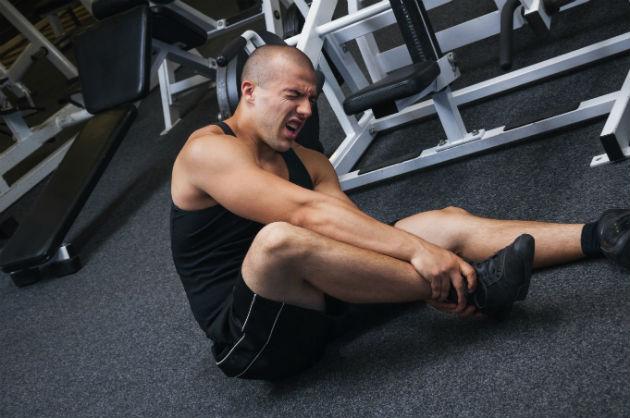
New Year, New Gym Injuries: Why January Fitness Resolutions Often Go Wrong
As the new year begins, gyms fill up with people eager to turn fresh resolutions into healthier habits. January consistently sees a sharp rise in gym attendance, with millions returning to exercise after weeks — or even years — of reduced activity. While the motivation is positive, this sudden surge in intensity often brings an unwelcome side effect: injuries.
One of the biggest problems is doing too much, too soon. The body adapts to physical stress gradually, not overnight. When people jump straight into heavy lifting, high-impact workouts, or unfamiliar movements, muscles, joints, and tendons are placed under stress they are not yet prepared to handle. This is especially true for those who were previously inactive or who are restarting exercise after a long break.
Certain parts of the body are particularly vulnerable. The shoulder tops the list for gym-related injuries. Anatomically, it is designed for mobility rather than heavy load-bearing, making it prone to strains, dislocations, and rotator cuff injuries when pushed too hard. Because many exercises — from chest presses to rows and even some leg movements — place load through the shoulder, irritation can build up quickly, often without immediate pain.
The lower back is another major hotspot. Even before exercise begins, the spine carries significant load simply from posture and body weight. Add poor technique, heavy lifting, or sudden twisting movements, and that load can increase rapidly. Exercises such as squats, deadlifts, sit-ups, burpees, and weighted twists are frequently linked to back injuries when performed incorrectly or too aggressively. Lower back strain is so common among weightlifters that it has earned its own nickname: “weightlifter’s back.”
Knees also take a hit, particularly among people who have spent long periods sitting or inactive. While knees are well adapted for daily movement, the muscles that support them weaken without regular use. When those muscles are underdeveloped, the knee can move in ways it shouldn’t, raising the risk of ligament injuries, including damage to the cruciate ligaments. Squats, lunges, and leg extensions are common culprits when form and progression are neglected.
New Year, New Gym Injuries Highlight the Hidden Risks of Doing Too Much, Too Soon
Interestingly, the group most likely to get injured is not complete beginners, but young men under 41 who already have several months of training experience. Confidence can be as risky as inexperience, especially when it leads to lifting heavier weights before the body is ready. Free weights, in particular, are associated with higher rates of fractures, dislocations, and soft-tissue injuries compared to machines.
Some equipment carries rarer but more severe risks. Abdominal rollers, for example, have been linked to spinal cord injuries when used without sufficient core strength. Treadmills account for a large proportion of gym-related injuries, often due to falls, while stationary bikes are more commonly linked to injuries among people over 65. At home, exercise equipment has also contributed to tens of thousands of emergency department visits, particularly when used without supervision or instruction.
Delayed onset muscle soreness, commonly known as DOMS, is another familiar January companion. This stiffness and tenderness typically appears one to three days after intense or unfamiliar exercise. While usually harmless, DOMS is a useful warning sign. It occurs due to microscopic damage to muscle fibers and signals that the body needs time to adapt before increasing intensity, weight, or volume.
Despite these risks, the benefits of exercise remain overwhelming. Regular physical activity reduces the risk of heart disease, stroke, type-2 diabetes, certain cancers, and improves mental health by releasing endorphins that boost mood and reduce stress. Any movement is better than none, and sedentary lifestyles carry serious long-term consequences.
Read Also : Shayna Baszler Breaks Silence: 1 Brutally Honest Update After Shocking WWE Release
The key to staying injury-free is patience. Gradual progression, proper technique, adequate rest, and listening to your body make all the difference. Many fitness apps and structured programs are designed to help people build strength and endurance safely, including those with existing health conditions. A slower start may not feel as exciting, but it is far more likely to keep you healthy, consistent, and active long after January enthusiasm fades.