







Novak Djokovic Parts Ways With PTPA in a Stunning Shift for Player Power
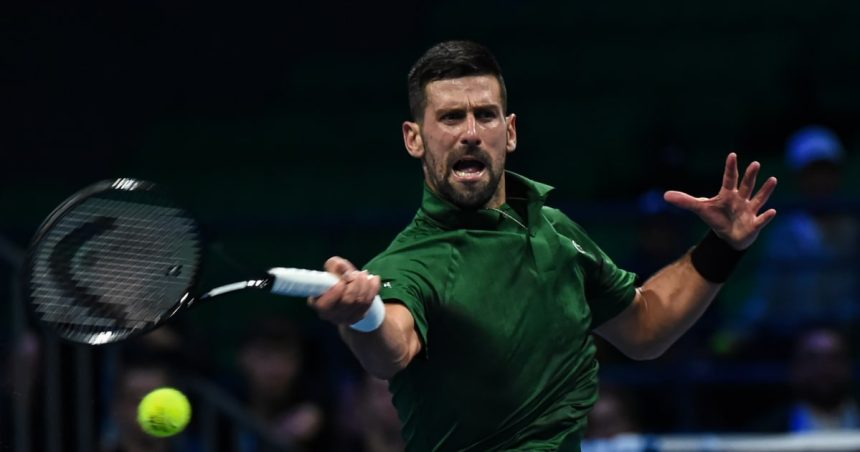
Novak Djokovic has officially stepped away from the Professional Tennis Players Association (PTPA), the organization he helped launch, signaling a significant shift in one of the most consequential player-led movements in modern tennis. In a statement shared on social media Sunday, the 24-time Grand Slam champion said his “values and approach are no longer aligned with the current direction of the organization,” effectively closing a chapter that began with bold ambitions for player representation.
Djokovic co-founded the PTPA in 2020 alongside now-retired Canadian player Vasek Pospisil, announcing the initiative during the U.S. Open with the goal of giving players a stronger, independent voice. The association was created to represent tennis players as independent contractors in a sport dominated by individual careers rather than team structures, and it sought to challenge what it viewed as systemic imbalances in governance, earnings, and player welfare.
That mission intensified in March last year when the PTPA filed a class-action lawsuit against the sport’s major governing bodies, including the ATP Tour, the WTA Tour, and the International Tennis Federation, as well as tennis’s integrity agency. The lawsuit accused these organizations of “systemic abuse, anti-competitive practices, and a blatant disregard for player welfare.” The four Grand Slam tournaments — Wimbledon, US Open, French Open, and Australian Open — were later added as defendants.
Despite being a co-founder, Djokovic was notably not listed as a plaintiff in the lawsuit. Instead, Pospisil and other players took the lead. Djokovic has previously explained that he wanted other players to “step up” and drive the movement forward, emphasizing that meaningful change would require collective ownership rather than reliance on a single figurehead.
After careful consideration, I have decided to step away completely from the Professional Tennis Players Association. This decision comes after ongoing concerns regarding transparency, governance, and the way my voice and image have been represented.
— Novak Djokovic (@DjokerNole) January 4, 2026
In his latest remarks, Djokovic cited “ongoing concerns regarding transparency, governance, and the way my voice and image have been represented” as key reasons for his decision to step away. His tone was measured rather than confrontational, making clear that the split was about direction rather than personal conflict. “I will continue to focus on my tennis, my family, and contributing to the sport in ways that reflect my principles and integrity,” he wrote, adding that he wished the players and those involved in the PTPA “the best as they move forward.”
Novak Djokovic, PTPA Split Signals Growing Tensions Over Transparency, Governance, and Direction
The governing bodies targeted by the lawsuit have firmly rejected the PTPA’s claims. The WTA responded by highlighting a $400 million increase in player compensation in recent years and described the legal action as “baseless,” “regrettable,” and “misguided.” The ATP, meanwhile, pointed to a $70 million rise in player compensation over the past five years and dismissed the lawsuit as “entirely without merit.” The ITF said it would take time to consider its response.
One of the PTPA’s long-term ambitions has been to evolve into a union-like body capable of negotiating collective bargaining agreements, similar to those in team sports leagues. However, that goal has yet to materialize, largely due to tennis’s fragmented structure and the absence of a unified player front.
Djokovic’s departure does not end the lawsuit or the PTPA’s efforts, but it does remove its most prominent and influential founding figure. His exit underscores the complexity of reforming a global, individual-based sport and raises questions about the association’s future direction without his involvement.
Read Also : Junk Food Ad Crackdown Begins: 1 Tough New Ban Shakes TV and Online Advertising
For Djokovic, the message is clear: his focus now returns squarely to competition and personal priorities. For tennis, his decision marks a pivotal moment in an ongoing debate about power, representation, and the path forward for players seeking greater influence in the sport they sustain.